
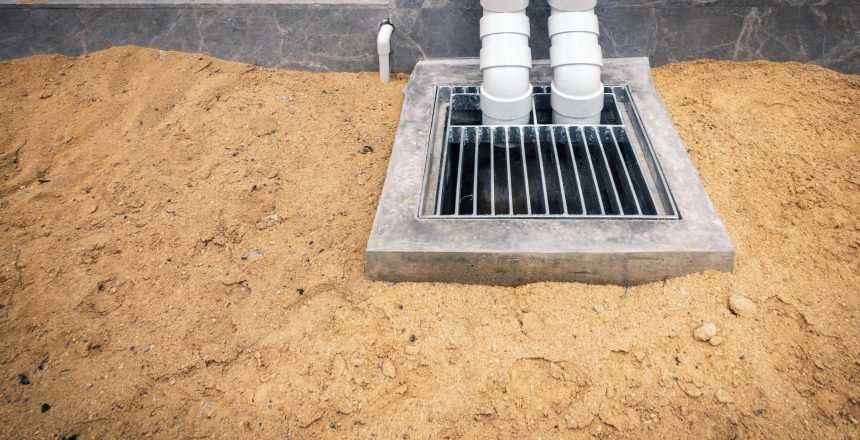
Many basement window wells flood because drainage is overlooked. Without proper window well drainage and code-compliant design, your basement risks water damage and safety hazards. This guide will help you understand egress window installation essentials, emergency egress code requirements, and how to keep your basement dry and safe in the South Dakota Black Hills. Ready to improve home safety and add value? Keep reading to learn what matters most. https://www.applevalleymn.gov/DocumentCenter/View/14498/Basement-Window-well-drainage-and-openings
Understanding Basement Window Wells
Basement window wells are crucial for both safety and functionality in your home. They not only allow light and ventilation into underground spaces but also serve as an emergency exit. Here’s what you need to know to make the best choices for your home.
Importance of Window Wells
Window wells are essential for keeping your basement dry and secure. They provide a barrier against soil, debris, and water, protecting your windows and foundation. A well-designed window well can prevent water from seeping into your basement, reducing the risk of mold and structural damage. For more insights on proper window well care, this guide offers valuable tips.
Choosing the Right Window Well
Selecting the right window well involves considering size, material, and style. Look for wells that match your home’s aesthetics while ensuring they meet local building codes. Consider materials like galvanized steel or polyethylene for durability and resistance to weather conditions. The right choice can enhance both the safety and appearance of your basement.
Installing Window Well Covers
Installing covers is a smart way to enhance the function of your window wells. They keep out debris, animals, and excess water, offering an extra layer of protection. Clear or metal mesh covers are available, providing different levels of visibility and security. Proper installation ensures that your basement remains a dry, usable space.
Ensuring Proper Drainage
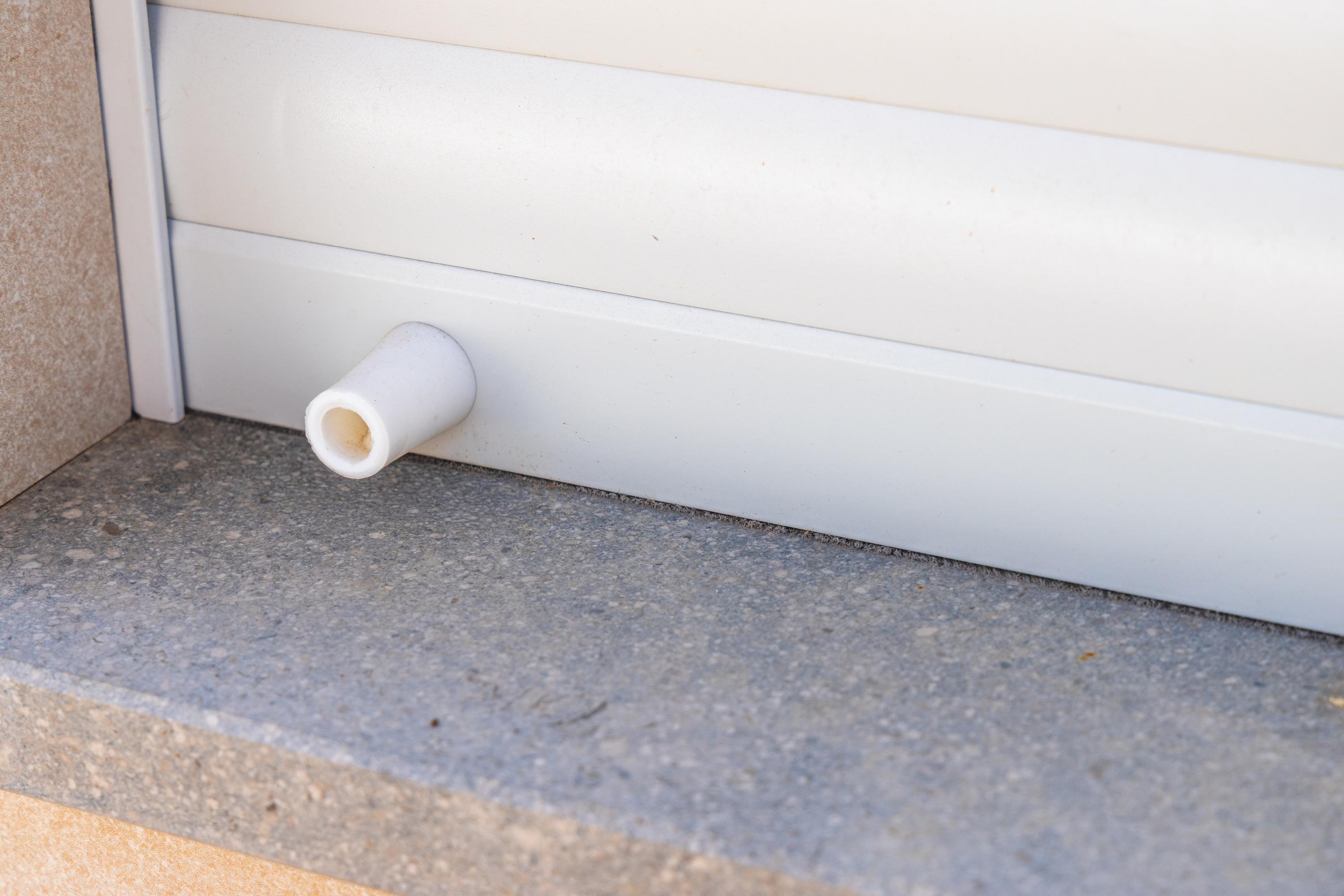
Proper drainage is vital to prevent flooding in your basement. Without it, rainwater can accumulate and cause significant damage. Understanding the components of a good drainage system is key.
Basics of Window Well Drainage
A well-functioning drainage system directs water away from your home. This typically involves a drain at the bottom of the well, leading water to a safer location. Regular maintenance, such as clearing debris and checking for clogs, ensures that your drainage system performs effectively.
Drain Tile and Sump Pump Systems
For optimal protection, consider installing a drain tile and sump pump system. Drain tiles collect water around your foundation, directing it to a sump pit. From there, a sump pump removes the water, keeping your basement dry. This combination offers a robust solution to water issues.
Preventing Water Damage
Preventing water damage is all about proactive measures. Regular inspections of your window wells and drainage systems can catch issues early. Expert advice on drainage solutions provides practical steps to maintain a dry basement. By staying vigilant, you protect your investment and home environment.
Emergency Egress Requirements
Safety is paramount in any basement. Ensuring your windows meet emergency egress standards is crucial for a safe escape route in case of an emergency.
Understanding IRC Egress Requirements
The International Residential Code (IRC) outlines specific requirements for basement egress windows. These include dimensions that allow for easy escape and rescue, ensuring safety compliance. Familiarize yourself with these standards to keep your home both legal and safe.
Code-Compliant Window Size and Placement
Egress windows must be large enough for occupants to exit and for rescue personnel to enter. Typically, windows should have a minimum opening of 5.7 square feet. Proper placement is also essential, providing a clear and accessible path to safety.
Importance of Window Well Ladders
If your window wells exceed a depth of 44 inches, they must include a ladder or steps. These features ensure that anyone can easily climb out during an emergency. Quality ladders are designed for durability and ease of use, adding an extra layer of security to your egress system.
Frequently Asked Questions
What is the purpose of a window well?
Window wells provide natural light and ventilation to basement areas while also serving as an emergency exit route. They help prevent water and debris from entering your basement.
How do window well covers help?
Covers protect your wells from debris, animals, and excess water, ensuring that your basement remains dry and safe. They also enhance security by preventing accidental falls.
Why is drainage important for window wells?
Proper drainage prevents water from accumulating, which could lead to flooding and water damage in your basement. A good drainage system directs water away, keeping your home dry.
What are the IRC requirements for egress windows?
The IRC requires egress windows to have a minimum opening of 5.7 square feet to ensure easy escape and entry for rescue personnel. This is crucial for safety compliance.
Do I need a ladder in my window well?
Yes, if your window well is deeper than 44 inches, a ladder or steps are required to facilitate easy exit during emergencies. This is a key component of meeting safety standards.