

Finishing your basement in the Black Hills means making sure your home stays safe and meets all the right codes. Egress window requirements are not just about windows—they’re about protecting your family and adding real value to your home. Knowing details like window size, sill height, and proper drainage will help you plan a basement that’s both comfortable and code-compliant. Keep reading to learn what you need to know before starting your project and how Rapid Building Solutions can guide you every step of the way. For more insights on basement egress requirements, check out this resource.
Understanding Egress Window Codes
When planning to finish your basement, egress window codes are vital to ensuring your family’s safety. These codes define the minimum requirements for design and installation.
IRC Egress Window Size
To meet safety standards, egress windows must be large enough for emergency escapes. The International Residential Code specifies that the window should have a minimum opening of 5.7 square feet. This size ensures that anyone can climb out during an emergency.
The opening width and height play crucial roles in accessibility. Typically, the minimum width is 20 inches, and the height is 24 inches. These dimensions allow clear and easy access. Consider these measurements as a foundation for planning your basement project, ensuring compliance and safety.
Net Clear Opening Explained
The net clear opening is the actual usable space when the window is open. This space must meet the 5.7 square feet regulation, providing a clear path for escape. This opening is not just about size; it’s about ensuring functionality in emergencies.
When choosing windows, pay attention to the hardware and frame, as they can reduce the clear opening. Ensuring this space remains unobstructed is crucial for maintaining safety and compliance. Avoiding this oversight can prevent future issues during inspections or emergencies.
Egress Window Sill Height
The sill height is the distance from the floor to the window’s base. For egress windows, this height cannot exceed 44 inches. This requirement ensures that all family members, including children, can easily access the window in an emergency.
If your basement design includes higher sills, consider adding steps or a platform to meet this requirement. Addressing these details in the planning phase prevents costly adjustments later.
Window Well and Safety Specifications

Window wells serve as a critical component of the egress window system, ensuring safety and compliance. Understanding their specifications will help you plan a successful installation.
Window Well Dimensions
Window wells must provide ample space for escape. According to the code, they should be at least 36 inches long and wide. This size ensures that the window can fully open, allowing for a clear exit path.
In addition to the dimensions, the well should allow for drainage to prevent water accumulation. Installing proper drainage systems will protect your basement from water damage and maintain the well’s functionality.
Window Well Ladder Requirements
If your window well is deeper than 44 inches, a ladder or steps are necessary for easy escape. This addition ensures that anyone can climb out without difficulty.
The ladder should be permanently attached and extend at least three inches from the well wall. This straightforward design facilitates a quick and safe exit, adhering to safety standards and providing peace of mind.
Tempered Safety Glazing
Safety glazing is essential for egress windows, as it prevents injuries during emergencies. Tempered glass is required because it is stronger and shatters into small, safe pieces.
Opting for tempered glazing not only meets code requirements but also enhances home safety. This choice protects your family while ensuring compliance with local regulations.
Planning Your Basement Finish
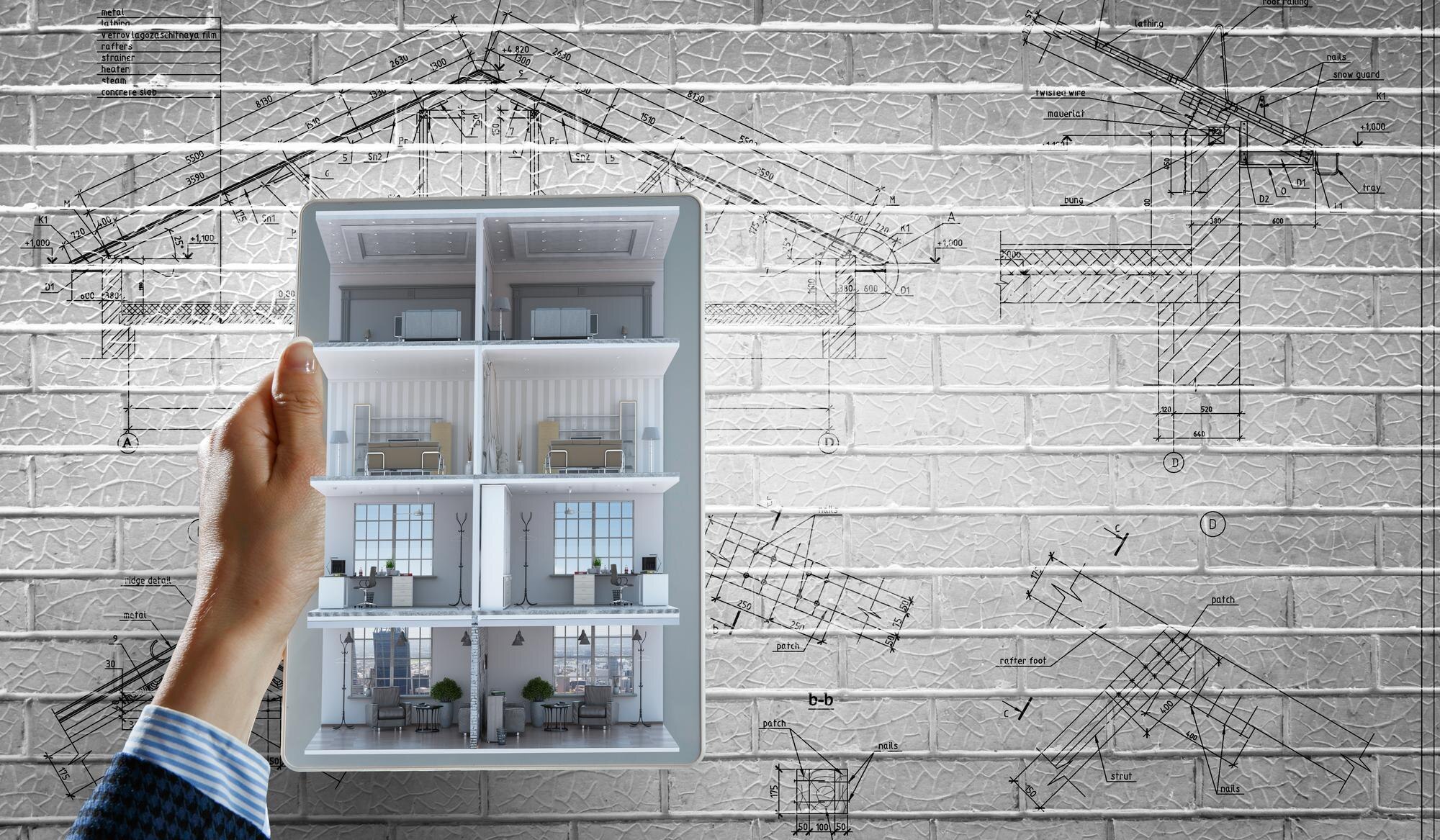
Successfully finishing your basement involves more than just installing windows; it requires careful planning and adherence to codes.
Permits for Egress Windows
Before starting your project, securing a permit for egress windows is crucial. This step ensures that your installation meets all local building codes and standards.
With the right permits, you avoid potential legal issues and ensure your basement’s safety and functionality. Consulting with professionals like Rapid Building Solutions simplifies this process, providing guidance and expertise.
Waterproofing and Drainage Solutions
A well-planned drainage system is vital for maintaining a dry and comfortable basement. Egress windows should include solutions like sump pumps and proper grading to prevent water intrusion.
These measures protect your investment and enhance your home’s overall safety. Addressing waterproofing early in the planning stage prevents future complications and ensures long-term satisfaction.
Free Egress Window Estimate
Understanding the costs involved in installing egress windows can guide your budgeting and decision-making. Rapid Building Solutions offers free estimates to help you plan effectively.
By obtaining a detailed estimate, you gain insights into potential expenses and can make informed decisions. This step sets the stage for a smooth, successful basement renovation.
Frequently Asked Questions
Why are egress windows necessary?
Egress windows are essential for providing an emergency escape route from basements. They are required by code to ensure the safety of occupants during emergencies like fires.
What size should an egress window be?
An egress window must have a minimum net clear opening of 5.7 square feet, with a width of at least 20 inches and a height of at least 24 inches.
Do I need a permit to install egress windows?
Yes, permits are typically required for egress window installation to ensure compliance with local building codes and safety standards.
What is tempered safety glazing?
Tempered safety glazing involves using glass that is stronger and safer, shattering into small pieces on impact, minimizing injury risk.
How can I ensure proper drainage for my window well?
Incorporating a drainage system with sump pumps and grading ensures that window wells remain dry, preventing water damage and maintaining functionality.