
Basement Bedroom Requirements: What Homeowners Should Understand Before Adding Living Space
Many homeowners underestimate how complex basement bedroom requirements can be, especially when it comes to egress windows. Without the right knowledge, your plans could face costly delays or fail to meet South Dakota egress code. In this post, you’ll learn what matters most for bedroom code compliance, so you can create a safe, legal, and comfortable living space. Ready to get started? Let’s break down the essentials you need to know before adding that basement bedroom. For more details, visit this resource.
Understanding Basement Bedroom Requirements
Getting your basement ready for a bedroom isn’t just about adding decor. It’s about meeting specific standards that ensure safety and comfort.
Key Code Compliance Factors
When it comes to planning your basement bedroom, safety tops the list. You need to be aware of several key factors to comply with codes:
Room Size: Your room must be at least 70 square feet to meet code requirements. This ensures enough space for safe movement.
Ceiling Height: The ceiling should be at least 7 feet tall. This height is important for both comfort and safety, letting you move without feeling cramped.
Emergency Escape: Every bedroom needs a way out during emergencies. This includes having the right type of egress window.
Understanding these factors helps you avoid costly mistakes. If you need more information, the International Residential Code offers detailed guidelines.
Importance of Egress Windows
Egress windows are not just a nice feature; they’re a must for basement bedrooms. These windows serve as an emergency exit. They also let in light and air, improving the room’s quality.
To meet the South Dakota egress code, your window needs to be big enough for a person to escape. It should also allow firefighters to enter with ease. This window size isn’t just a recommendation. It’s necessary for any legal basement bedroom.
Failing to install proper egress windows can delay your project and add costs. Ensure you understand these requirements early on. For more insights, see this community discussion.
Permits and Inspections Essentials
Permits and inspections are crucial in basement projects. You can’t just start digging and hope for the best.
Get a Permit: Before any work begins, you must secure a permit. This helps ensure your project complies with local laws.
Schedule Inspections: Inspections check that your build meets all safety standards. Missing an inspection can lead to fines or having to redo work.
Document Everything: Keep records of permits and inspections. This is important if you ever sell your home.
The process might seem long, but it’s worth it. Proper permits and inspections protect your investment and ensure safety.
Egress Window Installation

Once you know the basics of basement requirements, it’s time to focus on egress window installation. This step is key to making your basement bedroom both legal and comfortable.
South Dakota Egress Code Insights
South Dakota’s egress code is strict, but it ensures your basement is safe. Here’s what you need to know:
Minimum Size: Windows must have a minimum opening of 5.7 square feet. This size allows for a quick escape if needed.
Height from Floor: The window cannot be more than 44 inches from the floor. This makes it easy for everyone to access.
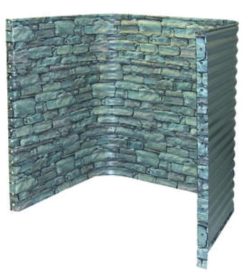
Window Well Size: If your window is below ground level, you’ll need a window well. It must be at least 36 inches wide and provide 9 square feet of floor space.
Understanding these specifics helps you avoid pitfalls. For a deeper dive into the code, check out this YouTube video explaining egress requirements.
Choosing Energy-Efficient Windows
Energy efficiency is more than a buzzword. It’s essential for cutting down on utility bills. Here’s how to choose the right window:
Double-Paned Glass: This feature helps insulate your home. It keeps warm air in during winter and cool air in during summer.
Low-E Coatings: These coatings reflect heat and reduce energy loss. They’re great for keeping your basement comfortable year-round.
Professional Installation: Proper installation is key to energy efficiency. Any gaps or misalignments can lead to energy waste.
Choosing the right windows can save you money in the long run. Consider consulting with an expert to pick the best options for your home.
One-Day Installation Benefits
Time is precious, especially for busy homeowners. That’s why one-day installations are a game changer. Here’s why they matter:
Minimal Disruption: Quick installations mean less time dealing with home renovations. You can enjoy your new space sooner.
Efficient Process: Rapid services often use specialized teams to get the job done fast without sacrificing quality.
Cost-Effective: Reducing installation time can lower labor costs, making your project more budget-friendly.
Opting for a fast installation ensures you don’t waste time. Plus, it minimizes disruptions to your daily life. Learn more about efficient installations in this article.
Safety and Comfort Considerations
With your windows in place, focus on making your new bedroom both safe and cozy. Safety features and comfort elements are key.
Natural Light and Ventilation
Natural light and good air flow are vital for a pleasant basement room. Here’s what to consider:
Maximize Light: Large egress windows let in more sunlight. This reduces the need for artificial lighting during the day.
Ventilation Options: Consider windows that open widely. They help circulate air, keeping your room fresh.
Window Placement: Strategically placed windows make a big difference. Aim to position them where they catch the most sun.
Proper light and air flow improve mood and reduce energy costs. They also make the space feel inviting.
Smoke and Carbon Monoxide Alarms
Safety should never be an afterthought. Protect your family with the right alarms:
Smoke Alarms: Install these in every room. They provide an early warning in case of fire.
Carbon Monoxide Detectors: These are crucial, especially in enclosed spaces like basements. They alert you to dangerous gases.
Regular Testing: Make sure you test your alarms monthly. Replace batteries as needed.
These simple measures can save lives. Ensuring your basement is safe is as important as making it look good.
Addressing Ceiling Height Requirements
Ceiling height might not be the first thing you think of, but it’s crucial for comfort:
Minimum Height: Remember, 7 feet is the minimum. Lower ceilings can make a space feel cramped and uncomfortable.
Dropped Ceilings: If you have to lower the ceiling for ductwork, ensure it doesn’t fall below the minimum height.
Creative Solutions: Use paint and lighting to create the illusion of more space. Lighter colors can make ceilings feel higher.
Meeting these height requirements ensures your basement is both functional and pleasant. It’s a small detail with a big impact.
By understanding these requirements, you’re well on your way to creating a legal, safe, and inviting basement bedroom. Whether you’re adding a new living space or enhancing an existing one, remember that Rapid Building Solutions is here to help with expert advice and services.